How to Overcome Dust and Edge Quality Pain Points with a Flexible Material Cutting Machine
Whenever I used to cut fiberglass insulation boards, mineral wool, or composite panels with a handheld angle grinder or a

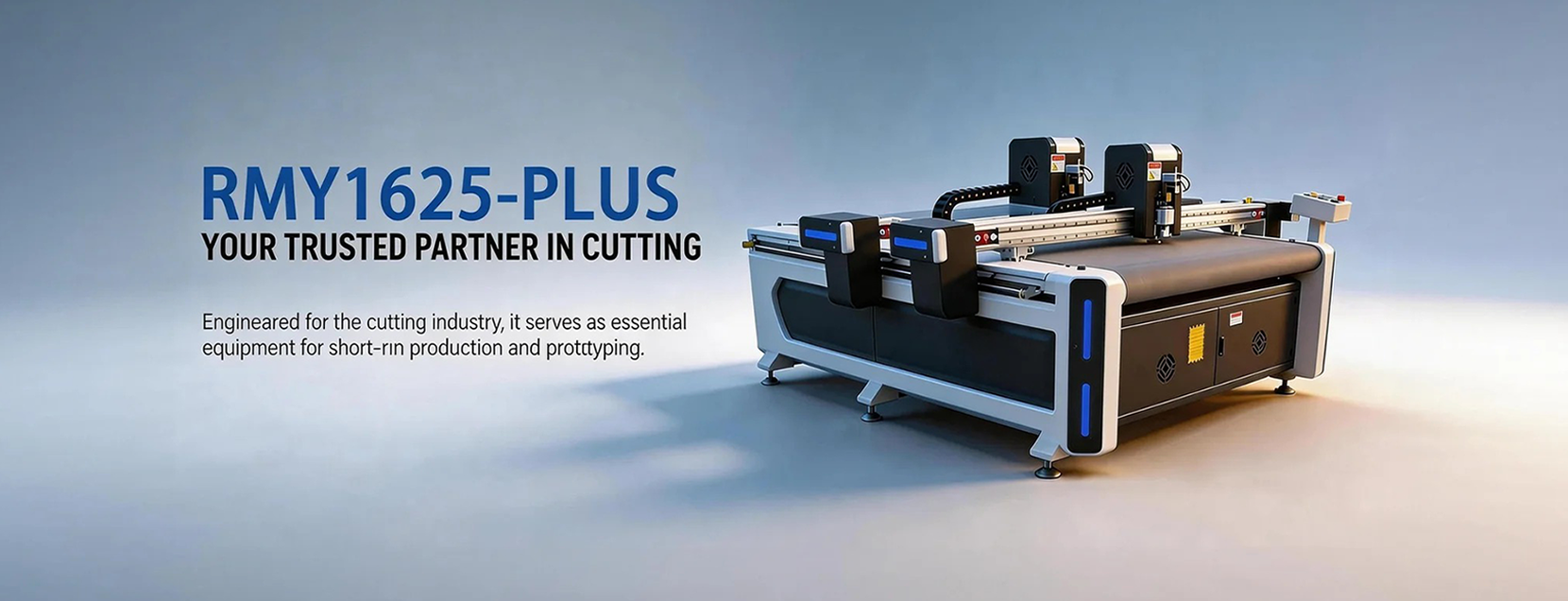
Many shop owners who invest in a high‑end CNC oscillating knife cutting machine(also called flexible material cutting machine) often face a frustrating question: “Why does my machine claim a maximum speed of 1800 mm/s, but my daily output is far below what I expected – and I’m still wasting material?”
The truth is, simply picking a fast blade doesn’t guarantee clean cuts or high material utilization. The real bottleneck is often hidden in tool selection – using the wrong blade for a given material thickness leads to torn edges, crushed foam, misaligned parts, and rework. These non‑cutting problems have a huge impact on both efficiency and material cost.
For most workshops that cut corrugated cardboard, foam, or multi‑layer textiles, overall cutting effectiveness drops dramatically when thickness is ignored.
Fast oscillation speed ≠ good edge quality or low waste.
In actual production, the cutting tool itself determines whether a part is usable or rejected. According to my own experience running a REMEYA flexible material cutting machine, using a drag knife on thick cardboard (>8mm) creates ragged edges that require hand trimming – wasting 10–15% of the material. Using an oscillating vibration knife on thin cardboard (<3mm) can cause fraying and unnecessary blade wear.
The rule is simple: thin materials need a drag knife or creasing wheel; thick materials need an oscillating vibration knife or V‑cutter.
Many operators blame the machine when cuts fail. But in most cases, the tool or its settings are the real culprit.
Manual guessing of tool type: Without a clear thickness guideline, operators often guess. They might try a drag knife on 10mm corrugated board – the blade stalls, the material shifts, and the entire sheet is wasted.
Incorrect blade depth or oscillation frequency: Setting the blade too deep damages the cutting mat and dulls the blade faster. Setting it too shallow leaves uncut fibers, forcing a second pass that ruins edge alignment.
No test cuts for new materials: In small‑batch production, skipping a simple test cut leads to repeated errors across entire nests – each mistake eats up material and time.
Here is the practical rule I’ve developed after two years of cutting everything from thin cardboard to 25mm foam on my REMEYA machine.
I learned this lesson on a rush order of 12mm double‑wall corrugated cardboard. My team tried using the same oscillating knife settings we use for 5mm board. The result: 18% of the cut pieces had crushed edges and poor fold lines. We had to recut the entire batch.
That one mistake cost us:
After switching to the correct V‑cutter tool on the REMEYA flexible material cutting machine, the same material cut cleanly in one pass. Edges were smooth, fold lines were precise, and assembly time dropped by 30%.
Many buyers think a CNC cutter is only for cutting outlines. But for corrugated cardboard and foam‑core materials, creasing and V‑cutting are equally important.
The angle of the V‑cutter matters too. A 90° V‑cut works for most folding applications; a 60° cut creates sharper folds but removes more material, which can reduce corner strength. On my REMEYA flexible material cutting machine, I can adjust the V‑cutter angle from 0° to 45° per side (0–90° included angle), giving me fine control over fold quality.
On a CNC cutting table, the order of operations determines success.
First, perform creasing or V‑cutting for fold lines. Then use the oscillating vibration knife for the final outline cut.
If you reverse the sequence – cutting outlines first, then creasing – the material shifts slightly during the cut. The crease lines misalign, and the final assembly becomes crooked. This simple sequence error is responsible for nearly 25% of the folding waste I’ve seen in other shops.
The REMEYA machine’s modular tool head allows automatic switching between creasing wheel, V‑cutter, and oscillating knife. This eliminates manual tool changes and ensures the correct sequence every time.
After helping several friends set up their own flexible material cutting machine systems, I’ve seen the same mistakes again and again.
| Mistake | Consequence | Solution |
|---|---|---|
| Using a drag knife on thick cardboard | Ragged edges, material shift | Switch to oscillating or V‑cutter |
| Setting V‑cut depth too deep | Weak fold, broken corners | Test depth on scrap – aim for 60–80% of thickness |
| Skipping crease wheels for thin board | Poor assembly fit, bulging boxes | Use creasing roller for <5mm |
| Ignoring material grain direction | Uneven folds, cracking | Align tool path with flute direction for corrugated |
Even with the correct cutter, the correct parameters are required. A dull blade requires three times the cutting force of a new blade, which overloads the servo motor and triggers shutdown alarms. I replace the oscillating knife every 8 hours of cutting time – it seems like added cost, but it prevents far more expensive downtime and material waste.
After trial and error, I now follow five simple steps for every new material:
This workflow reduced our material waste by over 12% in the first three months. It also eliminated the rework that used to eat up our afternoons.
A flexible material cutting machine is only as good as the tools and settings you use with it. Thickness is the first question – but structure, fold requirements, and edge quality matter just as much.
The REMEYA system gives me the flexibility to switch between drag knives, oscillating vibration knives, creasing wheels, and V‑cutters depending on the job. That versatility is what makes it valuable for a shop like mine, where we process everything from thin cardboard packaging to thick foam cushioning.
If you’re evaluating a flexible material cutting machine, don’t just ask about cutting speed. Ask about tool options, thickness capabilities, V‑cut angle range, and workflow integration. The right combination will save you material, time, and frustration – and pay for itself faster than you think.
To learn more about how REMEYA machines handle different material thicknesses and tool configurations, please click to fill in your details and contact us. We’ll arrange for a representative to answer your questions as soon as possible.
Whenever I used to cut fiberglass insulation boards, mineral wool, or composite panels with a handheld angle grinder or a
As manufacturers strive for higher precision, faster production speeds, and lower labor costs, the leather processing industry is experiencing rapid
In my years of running a workshop that handles everything from carbon fiber sheets to multi‑layer automotive foams, I’ve learned

Improper tool selection results in more material waste than improper cutting speed during flexible material cutting machine cutting. For thin