How to Overcome Dust and Edge Quality Pain Points with a Flexible Material Cutting Machine
Whenever I used to cut fiberglass insulation boards, mineral wool, or composite panels with a handheld angle grinder or a

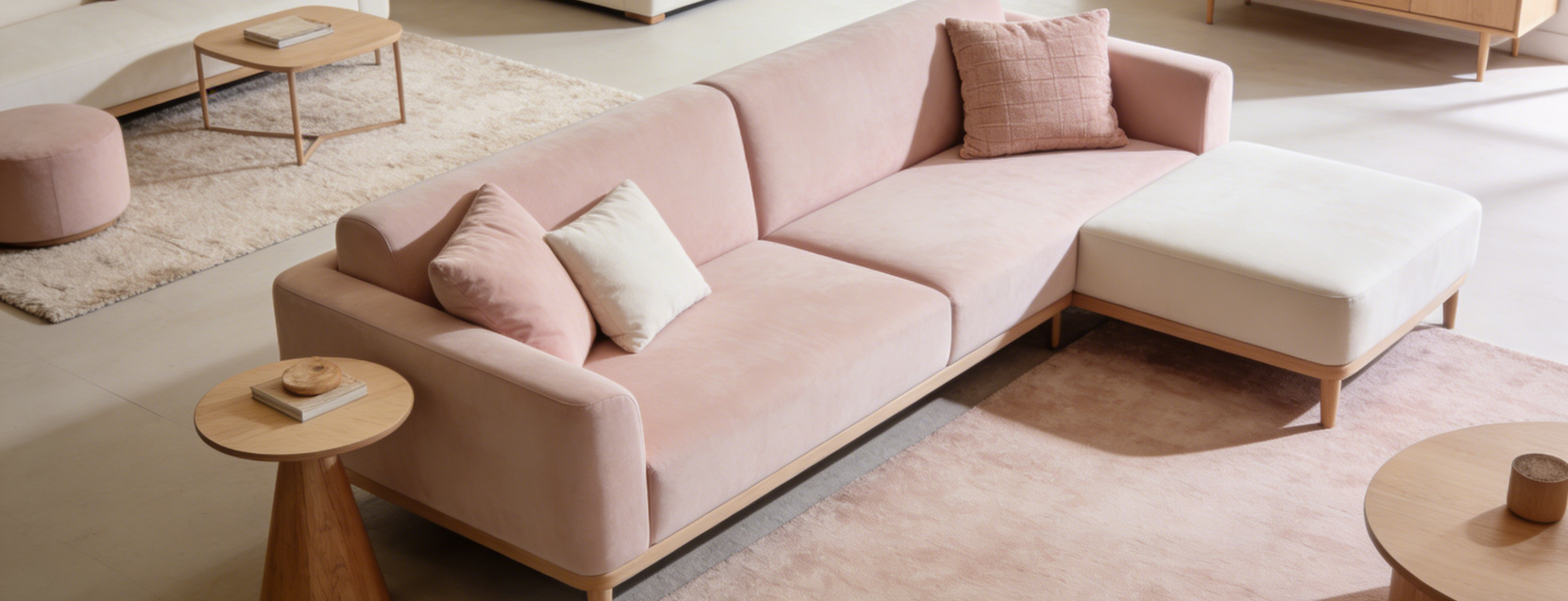
If you run a workshop crafting sofas, mattresses, or office chairs, you know the pressure is constant. Orders are becoming more customized, turnaround times are shrinking, and material costs are only going one direction—up. For years, the go-to solution has been trusted hands with a manual cutter or a band saw. But as we scale our businesses in the soft furnishings sector, I’ve noticed a trend among my peers: a series of misunderstandings about what automation actually means for our trade.
We all want the precision of a laser and the speed of a conveyor belt, but we worry about losing the human touch that ensures quality. However, after integrating the flexible material cutting machine from REMEYA into my own production line, I realized how wrong my initial assumptions were. If you are on the fence about upgrading your workshop, let’s clear up the top three misconceptions about using a flexible material cutting machine for upholstery applications.
The biggest hesitation I had was cost. I assumed that a flexible material cutting machine was a luxury reserved for massive factories running 24/7 shifts. I thought, “I run a custom shop; my batches are too small to justify programming a machine.”
The Reality:
Modern CNC cutting solutions, particularly the REMEYA series, are designed for flexibility—hence the name. They excel at “nesting,” which is the process of arranging pattern pieces to minimize waste . For a small batch of custom sofa cushions, the machine’s software optimizes the layout in seconds. This isn’t just about speed; it’s about material savings.
Where I used to waste valuable foam or fabric due to manual measuring errors, the flexible material cutting machine ensures I get every possible piece out of a single sheet. Whether I am cutting one prototype or a hundred production units, the precision is identical. It has actually made small-batch custom work more profitable because I can promise intricate designs without the fear of ruining expensive materials .
In the upholstery world, edge quality is everything. A jagged edge on a cushion foam insert can create a lumpy finish on the final fabric. I used to believe that only compression cutting or hot knives could provide that “factory” finish. I was convinced that the vibration of a blade would tear at delicate foams or fray synthetic fabrics.
The Reality:
This is where the technology of a flexible material cutting machine has truly evolved. The “vibration” or oscillation happens at such a high frequency and with such a precise stroke that it actually seals the edge slightly as it cuts, preventing fraying on fabrics and maintaining cell structure on foams .
Unlike hot wire cutting, which can melt and harden the edges of high-density foam (making it uncomfortable in a seat), the cold cutting process of a vibration blade leaves the material with a clean, consistent, and soft edge . I’ve run everything from high-resilience polyurethane foam to delicate knitted fabrics through my REMEYA machine, and the finish is consistently smooth. You don’t have to “sand” or trim edges after cutting; they come off the table ready for assembly.
We have a fantastic team of craftspeople who have been cutting by hand for decades. I was worried that introducing a flexible material cutting machine would create a skills gap—that the older generation wouldn’t adapt to the new technology, or that we would need to hire a specialist programmer.
The Reality:
The interface on the REMEYA flexible material cutting machine is surprisingly intuitive. The learning curve is far less steep than I anticipated. Many modern machines come with user-friendly software that allows us to import designs directly from our existing CAD patterns .
What actually happened on my floor was a blend of skills. Our experienced cutters now use their eye for grain direction and flaw detection to position materials on the bed, and the machine handles the repetitive stress of cutting. It has eliminated the physical fatigue of manual cutting, allowing my team to focus on the craftsmanship of assembly and finishing. Instead of spending hours cutting, they are now building .
The upholstery and soft furnishings market is moving toward mass customization. Clients want unique pieces, and they want them fast. Sticking strictly to manual methods creates a bottleneck that limits how much you can grow.
Investing in a flexible material cutting machine from REMEYA isn’t about replacing the artisan; it’s about equipping the artisan with tools that match the demands of 2026. We’ve reduced our material waste by nearly 15%, increased our cutting speed by over 300%, and most importantly, we’ve taken on complex orders that our competitors have to turn away.
If you’ve been avoiding automation because you think it doesn’t fit your “soft” materials or your “small” business model, I urge you to take a second look. The future of furniture is flexible, and so is the technology that builds it.
Whenever I used to cut fiberglass insulation boards, mineral wool, or composite panels with a handheld angle grinder or a
As manufacturers strive for higher precision, faster production speeds, and lower labor costs, the leather processing industry is experiencing rapid
In my years of running a workshop that handles everything from carbon fiber sheets to multi‑layer automotive foams, I’ve learned
Many shop owners who invest in a high‑end CNC oscillating knife cutting machine(also called flexible material cutting machine) often face