How to Overcome Dust and Edge Quality Pain Points with a Flexible Material Cutting Machine
Whenever I used to cut fiberglass insulation boards, mineral wool, or composite panels with a handheld angle grinder or a
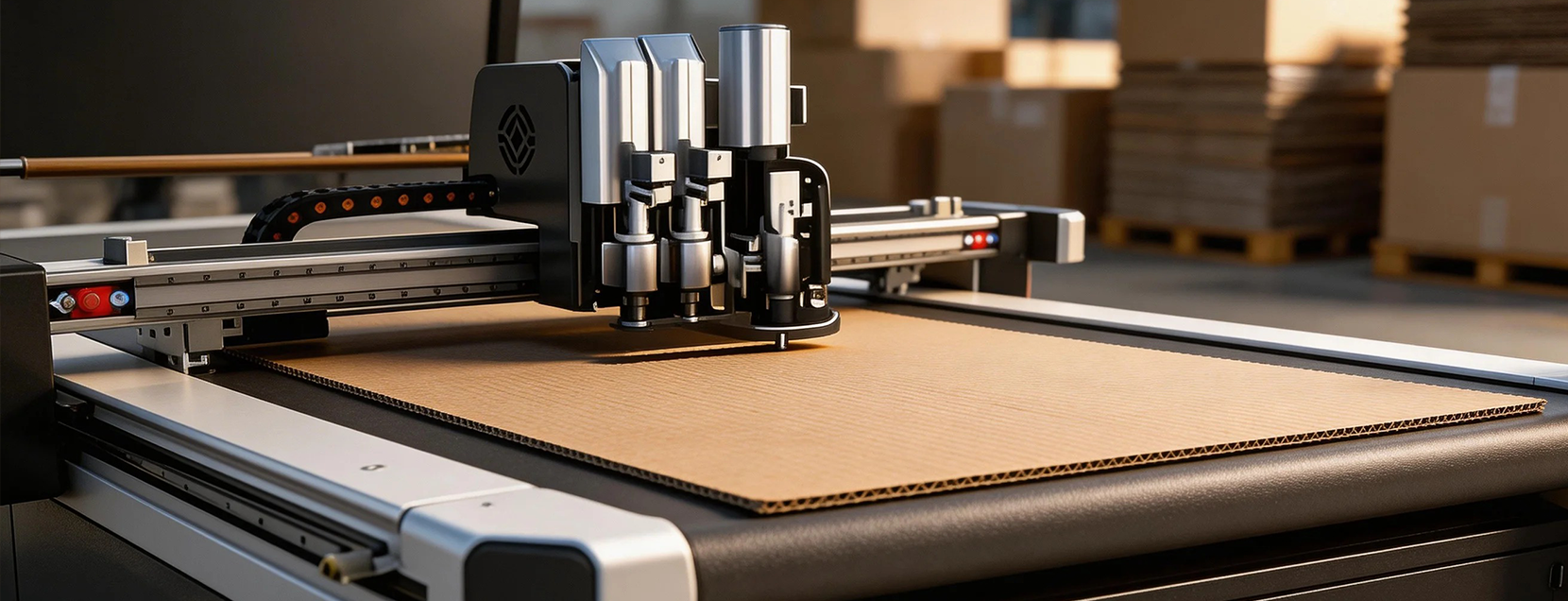
Improper tool selection results in more material waste than improper cutting speed during flexible material cutting machine cutting.
For thin materials, use a drag knife or creasing wheel; for thick materials (>10mm), use an oscillating vibration knife. Both cut, but their working principles differ, affecting edge quality, cutting speed, and material utilization.
These are two “cutting strategies” for different material characteristics. If you just want a quick overview of the rules, you can stop reading after the next section. If you want cleaner edges, less waste, and faster production cycles, then please continue reading.
Some materials, even with perfect digital patterns, will still produce rejected parts.
Cutting failures stem from the different responses of flexible materials to blade type and cutting action. Drag knives cut by pulling a fixed blade through the material; oscillating vibration knives cut by moving the blade up and down at high frequency. The correct choice depends on the material’s thickness, density, structure, and the desired edge quality.
When I first started using a flexible material cutting machine, I made the mistake of thinking one tool could handle everything. I tried cutting thick foam with a drag knife, and the results were terrible—ragged edges, crushed surfaces, and wasted material. Then I tried cutting thin fabric with an oscillating knife set too deep, and the material shifted, causing misaligned parts.
Now, after running my REMEYA flexible material cutting machine for over a year, I always start with thickness. It’s the single most important factor in tool selection.
Quick rule of thumb:
This isn’t just about getting the cut to work. It’s about getting the cut to work efficiently, with clean edges, and without wasting material.
Drag knives work by pulling a sharp blade through the material. The material stays stationary, and the blade moves along the path. This works beautifully for thin, flexible materials like vinyl, thin leather, fabric, and films. The cut is clean, the edge is smooth, and the process is fast.
But when thickness increases, drag knives struggle. The blade has to push through more material, creating friction and drag. Thin materials bend; thick materials crush. The result is edge deformation, incomplete cuts, or material shifting.
Oscillating vibration knives solve this problem. The blade moves up and down thousands of times per minute, effectively “sawing” through the material with minimal downward pressure. This allows the flexible material cutting machine to cut thick foam, dense rubber, multi-layer textiles, and even composite materials without crushing or distorting the edges.
I learned this lesson the hard way. Before I understood how to properly configure my REMEYA flexible material cutting machine, I tried cutting 15mm high-density foam with a drag knife. The blade couldn’t penetrate cleanly, so I slowed the machine down. That helped a little, but the edges came out rough and uneven. I had to trim every part by hand afterward.
That experiment cost me:
When I switched to the oscillating vibration tool with the correct settings, the same foam cut cleanly in one pass. No trimming. No waste. The job went from a headache to a routine.
Thickness is the starting point, but it’s not the only factor. Different materials behave differently under the same blade.
Foam and upholstery materials: Open-cell foam requires a clean cut to maintain structure. A drag knife crushes it; an oscillating vibration knife preserves the cell integrity. This is critical for seating applications where a crushed edge can affect comfort.
Leather and synthetic leather: Thickness varies within a single hide. A good flexible material cutting machine automatically adjusts tool pressure to maintain consistent cut depth. The REMEYA system handles this well—it reads material variations and compensates in real time.
Technical fabrics and composites: These materials often have coatings or multiple layers. The wrong tool can delaminate or fray edges. The oscillating vibration knife, with its rapid up-and-down motion, creates a clean edge without pulling or tearing.
On a CNC cutting table, the order of operations determines success.
First, perform creasing or V-cutting for folding applications. Then use the oscillating vibration knife for the final cut.
This sequence protects the edges, keeps the material stable, and reduces tearing at corners. I learned this from the REMEYA technical team, and it completely changed how we process multi-layer materials.
If you reverse the sequence—cutting first, then creasing—the material shifts, the crease lines misalign, and the final assembly suffers. Simple rule, but easy to overlook when you’re in a hurry.
I’ve talked to other shop owners who bought flexible material cutting machine systems and felt disappointed. In almost every case, the machine wasn’t the problem. The setup was.
Mistake 1: Using the wrong blade for the material thickness.
A drag knife on thick foam will always fail. An oscillating vibration knife on thin vinyl can cause fraying. Match the tool to the material.
Mistake 2: Incorrect blade depth.
Too shallow, and the cut doesn’t go through. Too deep, and you damage the cutting mat or cause excessive blade wear. The REMEYA system allows precise depth control, but it only works if you set it correctly.
Mistake 3: Neglecting material hold-down.
Flexible materials move. Without proper vacuum or clamping, the material shifts during cutting, creating misaligned parts and waste. A good flexible material cutting machine has strong vacuum zones to hold everything in place.
Mistake 4: Skipping test cuts.
Every new material requires a test cut. I run a small test pattern to verify tool settings before committing to a full production batch. It takes five minutes and saves hours of rework.
After trial and error, I settled on a workflow that works for our mix of materials:
This workflow reduced our material waste by over 12% in the first six months alone. It also eliminated the rework that used to eat up our afternoons.
A flexible material cutting machine is only as good as the tools and settings you use with it. Thickness is the starting point. Material structure and desired edge quality determine the rest.
The REMEYA system gives me the flexibility to switch between drag knives, oscillating vibration knives, and creasing wheels depending on the job. That versatility is what makes it valuable for a shop like mine, where we process everything from thin upholstery fabric to thick foam blocks.
If you’re evaluating a flexible material cutting machine, don’t just look at cutting speed. Ask about tool options, thickness capabilities, and workflow integration. The right combination will save you material, time, and frustration.
To learn more about how REMEYA machines handle different material thicknesses and tool configurations, please click to fill in your details and contact us. We’ll arrange for a representative to answer your questions as soon as possible.
Whenever I used to cut fiberglass insulation boards, mineral wool, or composite panels with a handheld angle grinder or a
As manufacturers strive for higher precision, faster production speeds, and lower labor costs, the leather processing industry is experiencing rapid
In my years of running a workshop that handles everything from carbon fiber sheets to multi‑layer automotive foams, I’ve learned

Many shop owners who invest in a high‑end CNC oscillating knife cutting machine(also called flexible material cutting machine) often face