How to Overcome Dust and Edge Quality Pain Points with a Flexible Material Cutting Machine
Whenever I used to cut fiberglass insulation boards, mineral wool, or composite panels with a handheld angle grinder or a
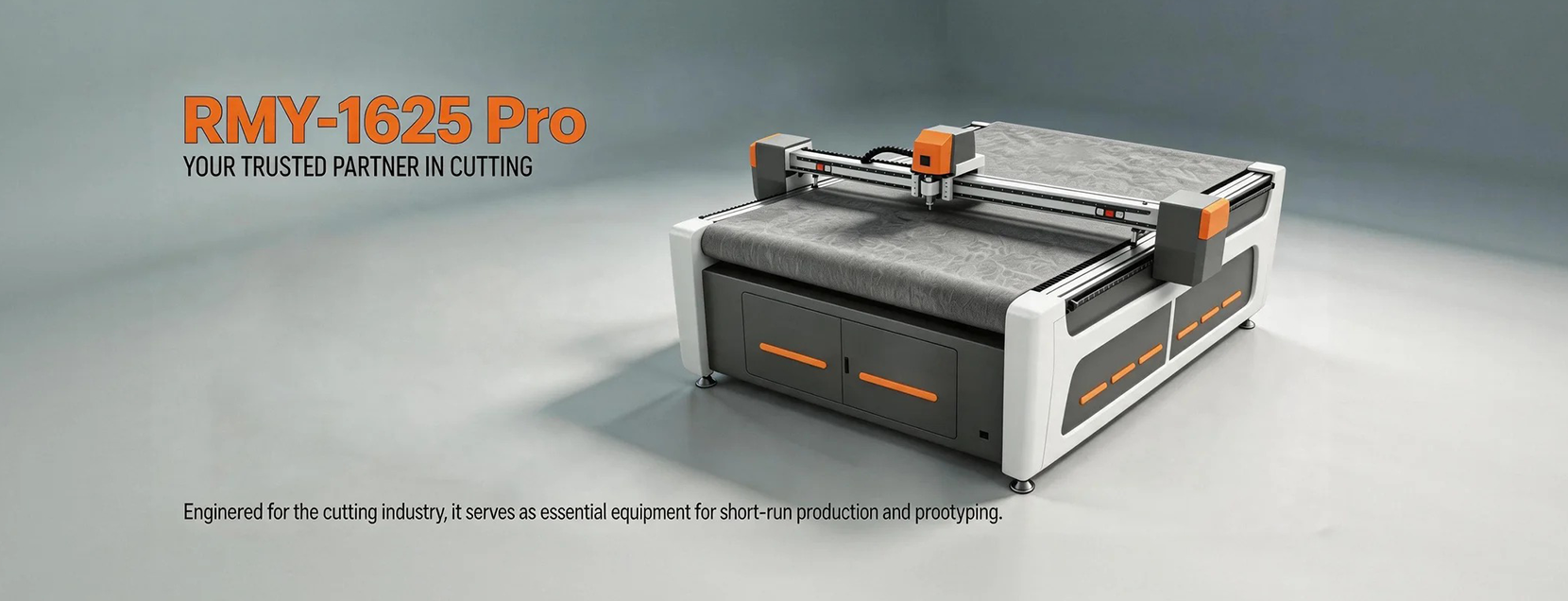
In my years of running a workshop that handles everything from carbon fiber sheets to multi‑layer automotive foams, I’ve learned one hard truth: composite materials are a double‑edged sword. They give you strength, lightness, and flexibility – but they also bring a stack of cutting nightmares. Delamination, frayed edges, inconsistent accuracy, and tool wear used to eat up my profits. Then I integrated a REMEYA composite material cutting machine into my production line. Today, I want to share the real challenges I faced and how this technology helped me overcome them – not just to cut faster, but to cut right.
Composite materials are everywhere now. Automotive interiors, aerospace components, footwear uppers, industrial textiles, advertising displays – they all use composites. The reason is simple: composites combine the best properties of different materials (strength, flexibility, lightweight) into one.
But here’s the problem that no sales brochure tells you: traditional cutting methods fail on composites. Manual cutting causes layers to separate. Die cutting leaves ragged edges. Even old CNC routers can crush or burn the material. I learned this the hard way when I ruined a $900 carbon fiber sheet with a dull oscillating knife set at the wrong frequency.
That’s when I started looking for a real solution – a composite material cutting machine that understands how composites behave.
Before I switched to my REMEYA composite material cutting machine, my team and I struggled with five major issues every single week.
Composite materials are usually made of multiple bonded layers. When cut with a standard blade or manual tool, those layers often separate. I’ve seen beautiful carbon fiber panels turn into scrap because the top layer peeled away from the core. Delamination doesn’t just look bad – it ruins structural integrity. For automotive or aerospace parts, that’s an automatic rejection.
Fiber‑reinforced composites and technical fabrics are notorious for fraying. A standard drag knife pulls the fibers, creating a fuzzy, uneven edge. I used to spend hours trimming edges by hand after cutting. That labor cost added up fast, and the final product still looked amateur.
Manual cutting or outdated machinery introduces dimensional errors. A 1mm deviation might sound small, but when you’re assembling interlocking composite panels, that 1mm means parts don’t fit. I had to scrap entire batches because of misaligned cuts – each scrap costing hundreds of dollars.
Traditional cutting is slow. Setting up each job, manually aligning materials, changing tools – all of it ate time. With order volumes rising and customers wanting faster turnaround, my old workflow became a bottleneck. I couldn’t take on more work even though I had demand.
Composite materials are abrasive. The fibers and adhesives wear down blades fast. I was replacing oscillating knives every few hours of cutting time. Each blade change meant stopping the machine, recalibrating, and losing production rhythm. Some weeks, downtime from tool changes cost me more than the material itself.
After extensive research, I installed a REMEYA composite material cutting machine. Within the first month, the difference was night and day. Here’s how it solved each of my five pain points.
The heart of the REMEYA system is its CNC (Computer Numerical Control) technology. Every cut follows a digital pattern with micron‑level precision. Human error – my old enemy – disappeared. Complex shapes that used to take three attempts now cut perfectly on the first pass. The repeatability means I can run the same job weeks later and get identical parts.
For my automotive interior panels, this accuracy ensured that every piece snapped together without trimming. That alone cut my assembly time by 25%.
The game‑changer for composites is the oscillating vibration knife. Unlike a fixed blade that drags and tears, the oscillating knife moves up and down thousands of times per minute. It “saws” through the material with minimal friction, preventing layer separation and fraying.
On my REMEYA composite material cutting machine, I can adjust oscillation frequency based on the material. For carbon fiber, I use high frequency with shallow depth. For foam‑core composites, lower frequency with deeper stroke. The result is always a clean, smooth edge – no hand trimming needed. I estimate this feature alone saves me 10–12% in material that used to be lost to edge damage.
My shop doesn’t cut just one type of composite. I process carbon fiber, fiberglass, synthetic leather, technical fabrics, rubber, foam, and multi‑layer laminates. The REMEYA composite material cutting machine handles all of them without changing the entire setup. I simply select the material preset, change the tool if needed (drag knife, oscillating knife, creasing wheel, or V‑cutter), and go.
This versatility eliminated the need for multiple dedicated machines. One REMEYA system replaced three old cutters, freeing up floor space and reducing my equipment maintenance costs.
Material cost is my largest expense. Before automation, I wasted 15–20% of every composite sheet due to poor layout and manual errors. The REMEYA system includes intelligent nesting software that automatically arranges parts to maximize material utilization. It considers part shapes, grain direction, and defect areas.
In my first month with the composite material cutting machine, my material utilization jumped from 78% to 89%. That 11% gain saved me over $3,000 on that month’s material spend alone. The software also speeds up preparation – I now load a DXF file and let the system nest while I prepare the next sheet.
Because the oscillating knife cuts with less friction and heat, tools last significantly longer. On my old system, I changed blades every 4–6 cutting hours. On the REMEYA composite material cutting machine, I get 12–15 hours per blade, even on abrasive carbon fiber. Fewer tool changes mean less downtime and more consistent production.
The machine also has automatic tool detection and wear monitoring. When a blade approaches the end of its life, the system alerts me before it fails – no more sudden breakage in the middle of a job.
Here’s how the REMEYA composite material cutting machine improved specific jobs in my workshop:
If you’re still cutting composites with manual tools or outdated machinery, you’re losing money every day. The shift to a composite material cutting machine isn’t just about speed – it’s about consistency, material savings, and the ability to take on complex jobs that competitors refuse.
The REMEYA system gave me:
In a global market where precision and speed define competitiveness, upgrading to an intelligent cutting system is no longer optional. It’s essential.
Composite materials are here to stay. They’re too valuable to ignore. But their processing challenges are real – and they will eat your profits if you don’t have the right tools.
My REMEYA composite material cutting machine turned my biggest headaches into routine operations. Delamination is gone. Frayed edges are gone. Inconsistent cuts are gone. What remains is a smooth, profitable workflow that lets me say “yes” to orders I used to turn away.
If you’re ready to overcome your composite cutting challenges, I strongly recommend looking at REMEYA. Contact them, send your most difficult material for a test cut, and see the difference for yourself.
To learn more about how a composite material cutting machine from REMEYA can solve your specific processing problems, please click to fill in your details and contact us. We’ll arrange a representative to answer your questions as soon as possible.
Whenever I used to cut fiberglass insulation boards, mineral wool, or composite panels with a handheld angle grinder or a
As manufacturers strive for higher precision, faster production speeds, and lower labor costs, the leather processing industry is experiencing rapid

Many shop owners who invest in a high‑end CNC oscillating knife cutting machine(also called flexible material cutting machine) often face

Improper tool selection results in more material waste than improper cutting speed during flexible material cutting machine cutting. For thin
+86 18865938249
pedro@remeyagroup.com
Jinan Western Innovation Park, No. 2687 Ziwei Road, Changqing District, Jinan City, Shandong Province, China.
© 2025 REMEYA CNC All Rights Reserved& Developed by REMEYA GROUP