How to Overcome Dust and Edge Quality Pain Points with a Flexible Material Cutting Machine
Whenever I used to cut fiberglass insulation boards, mineral wool, or composite panels with a handheld angle grinder or a
Introduction
In the world of manufacturing and design, working with flexible materials—from leather and composites to textiles and technical foams—presents a unique set of challenges. Precision, efficiency, and clean finishes are paramount, yet many traditional cutting methods fall short.
If you’re nodding along, wondering if there’s a better way to handle your daily cutting operations, you’re not alone. Many businesses face these recurring hurdles. Let’s explore some of the most common pain points and the modern solution that is changing the game.
Common Challenge #1: The Burden of High Tooling Costs
The Problem: Traditional die-cutting requires the creation of expensive physical molds and dies. For every new design, iteration, or custom order, you’re faced with significant upfront costs and long lead times. This makes small batches and rapid prototyping financially draining and slow.
The Impact: It stifles creativity, limits your ability to respond quickly to market trends, and eats into your profit margins, especially for bespoke or short-run production.
Common Challenge #2: Compromised Cut Quality and Burnt Edges
The Problem: Laser cutting, while digital and mold-free, uses heat to vaporize material. On many flexible materials, this results in burnt, caramelized edges, unpleasant fumes, and a weakened material structure around the cut line. What should be a perfect piece is often ruined before it even begins.
The Impact: You’re left with a inferior product quality, require additional post-processing to clean edges, or face high rejection rates. This is especially critical for visible components in industries like automotive interiors or high-fashion apparel.
Common Challenge #3: Lack of Flexibility and Agility
The Problem: The market demands speed and customization. Being locked into a single design because of a costly die, or dealing with the slow pace of manual cutting, makes it impossible to be agile. Switching between jobs becomes a time-consuming nightmare.
The Impact: You miss out on opportunities that require quick turnaround times. Your production line becomes inflexible, unable to adapt to the fast-paced demands of modern commerce.
Common Challenge #4: Inconsistency and Material Waste
The Problem: Manual cutting is prone to human error, leading to inconsistencies from one piece to the next. Even with automated methods, inaccuracies can creep in, resulting in mis-cuts and wasted material. In today’s economy, every inch of material saved directly impacts the bottom line.
The Impact: Inflated material costs, unpredictable production quality, and increased waste that hurts both your profitability and environmental footprint.
A Modern Approach to Precision Cutting
So, what is the way forward? The answer lies in embracing technology that addresses these issues at their core.
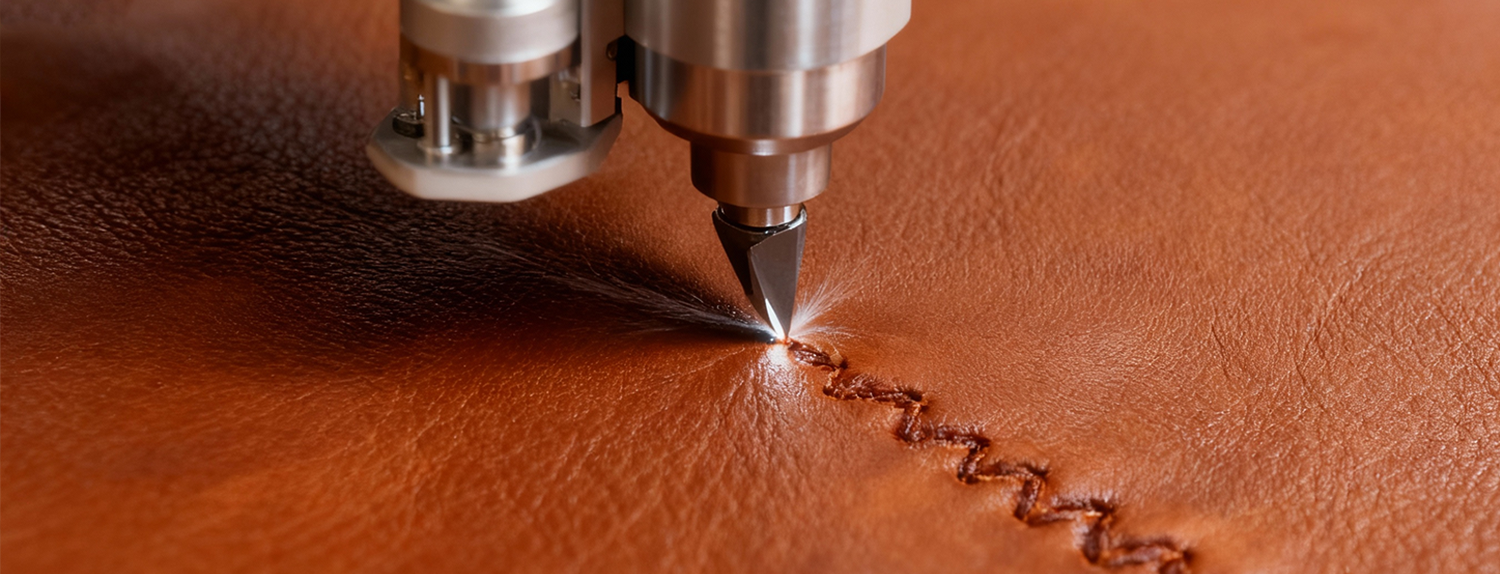
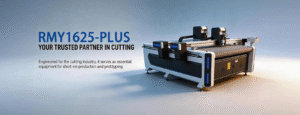
Vibrating Blade Cutting Technology represents a significant leap forward. Imagine a process that combines the digital flexibility of a laser with the cold, clean cut of a scalpel.
How does it work? Instead of heat or a dragging motion, a high-frequency, micro-oscillating blade moves vertically to cleanly and precisely pierce and slice through flexible materials. It’s a CNC-driven process, controlled entirely by a digital file.
This method directly tackles the challenges mentioned:
Is Your Material a Fit?
This technology is exceptionally effective on a wide range of materials, including:
Conclusion: Elevate Your Production Potential
The challenges of traditional flexible material cutting are real, but they are no longer unavoidable. By adopting advanced vibrating blade technology, you can overcome the limitations of cost, quality, and flexibility that have been holding your production back.
It’s not just about cutting material; it’s about cutting costs, waste, and lead times, all while elevating the quality of your final product.
Ready to see the difference for yourself? We believe that the best way to understand the potential is to see it in action. We offer complimentary sample cutting for qualified businesses. Send us your material specs, and let us show you what a clean, precise, and efficient cut truly looks like.
Contact us today to arrange your no-obligation sample cut.
Whenever I used to cut fiberglass insulation boards, mineral wool, or composite panels with a handheld angle grinder or a
As manufacturers strive for higher precision, faster production speeds, and lower labor costs, the leather processing industry is experiencing rapid
In my years of running a workshop that handles everything from carbon fiber sheets to multi‑layer automotive foams, I’ve learned
Many shop owners who invest in a high‑end CNC oscillating knife cutting machine(also called flexible material cutting machine) often face
+86 18865938249
pedro@remeyagroup.com
Jinan Western Innovation Park, No. 2687 Ziwei Road, Changqing District, Jinan City, Shandong Province, China.
© 2025 REMEYA CNC All Rights Reserved& Developed by REMEYA GROUP