Fiber Laser Cutter vs CO2: 5 Myths Busted & Why REMEYA Fiber Lasers Are the Unbeatable Choice

Fiber Laser Cutter vs CO2

For years, the metal fabrication industry was dominated by a single technology: the CO2 laser cutter. Today, fiber laser cutter technology has stormed the scene, but with its rise comes confusion, hesitation, and outdated information. Many shop owners and operators find themselves at a crossroads, unsure which path leads to greater productivity and profit.

The decision between a fiber laser cutter vs CO2 is critical. Basing your choice on myths can cost you thousands in wasted energy, slow production, and excessive maintenance. Let’s cut through the noise and debunk the five most persistent and costly myths about fiber laser cutters.

Fiber Laser Cutter vs CO2 Myth 1: “CO2 Lasers Deliver a Better Finish on Thin Materials.”

  • The Myth: It’s often said that CO2 lasers, with their longer wavelength, produce a smoother, cleaner edge on thin sheet metal, especially stainless steel.
  • The Reality: This was a valid point a decade ago. Early fiber lasers could sometimes leave a slightly rougher edge on thin sheets. However, modern REMEYA fiber laser cutter technology, combined with advanced cutting heads and software, has completely closed this gap. Today’s high-performance fiber lasers produce edges that are often indistinguishable from—and sometimes superior to—CO2 cuts. The beam quality and precision control available in machines like the REMEYA series ensure a clean, dross-free finish on materials from 0.5mm upwards, with no compromise.

Fiber Laser Cutter vs CO2 Myth 2: “Fiber Lasers Can’t Effectively Cut Reflective Metals.”

  • The Myth: Aluminum, copper, and brass are notoriously reflective, and the common belief is that the fiber laser’s wavelength is simply reflected away, making cutting impossible or highly inefficient.
  • The Reality: This is perhaps the most dangerous myth. While early fiber lasers struggled with highly reflective materials, this challenge was solved years ago. Modern REMEYA laser sources are specifically engineered to process reflective metals safely and efficiently. They incorporate robust protective systems to prevent back-reflections from damaging the source. In fact, for thin to medium thickness reflective metals, a fiber laser is often faster and more economical than a CO2 laser, which absorbs less efficiently into these materials. The key is using a machine with the right power and a stable, intelligent cutting head—a standard feature of the REMEYA system.

Fiber Laser Cutter vs CO2 Myth 3: “The Operating Costs Are Basically the Same.”

  • The Myth: A laser is a laser, and the running costs—power, gas, maintenance—will balance out in the end.
  • The Reality: This is where the fiber laser cutter vs co2 debate ends decisively. The operational cost advantage of fiber is staggering. A REMEYA fiber laser source boasts electro-optic conversion efficiency exceeding 40%, compared to a CO2 laser’s measly 10-15%. This means you use less than half the electrical power for the same cutting job. Furthermore, fiber lasers often require only compressed air or nitrogen for cutting thin to mid-range metals, slashing auxiliary gas costs. There are no complex mirror alignments, resonator gases (like CO2, Helium, Nitrogen mixes), or fragile glass tubes to replace. The maintenance is minimal and far less costly.

Fiber Laser Cutter vs CO2 Myth 4: “They’re Only Good for Thin Metals. CO2 is for Thick Plates.”

  • The Myth: Fiber lasers are just for speed on thin sheets; you still need a high-power CO2 machine for anything over 15-20mm.
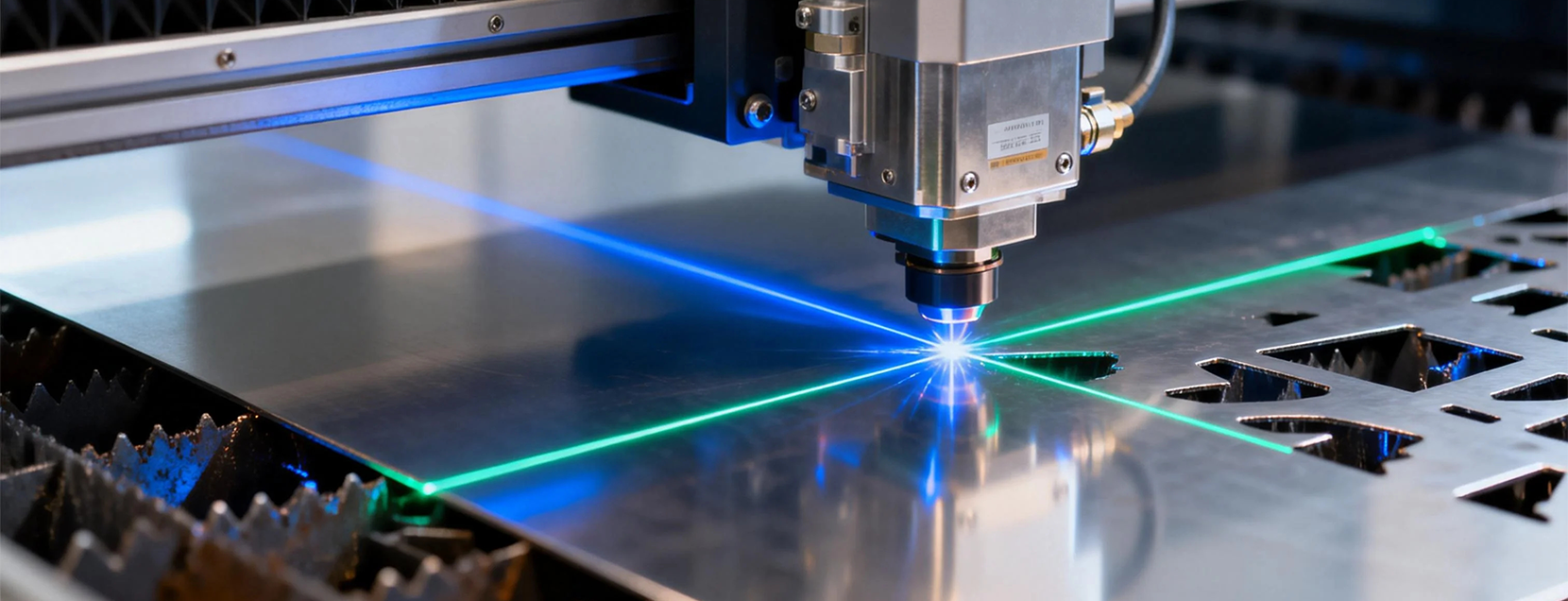
  • The Reality: The power race has been won by fiber. While fiber lasers indeed excel at blistering speeds on thin gauge material, high-power fiber lasers (6KW, 9KW, 12KW and above) are now the industry standard for cutting thick plates. They do it faster and with a narrower kerf, saving material. A high-power REMEYA fiber laser cutter with a robust S&A water chiller for thermal stability will outperform a comparable CO2 machine on thick mild steel, stainless, and aluminum in both speed and cut quality. The paradigm has flipped.

Fiber Laser Cutter vs CO2 Myth 5: “The Technology is Too Complex and Hard to Maintain.”

  • The Myth: All that solid-state technology and fiber delivery must be a nightmare for in-house technicians to service.
  • The Reality: The opposite is true. A CO2 laser cutter is a complex ecosystem of optics, gas systems, and delicate components. A fiber laser is simpler. The REMEYA laser source is a sealed, virtually maintenance-free unit. The beam delivery is through a flexible fiber cable, eliminating the intricate optical path of mirrors and lenses found in a CO2 laser bed that requires constant cleaning and alignment. Combined with the user-friendly REMEYA Operating System that provides real-time diagnostics and alerts, overall system uptime is significantly higher and operator intervention is lower.

Fiber Laser Cutter vs CO2Why the REMEYA Fiber Laser Cutter is the Definitive Solution

Debunking the myths clears the path to the only logical choice for future-proofing your shop: a high-quality fiber laser cutter. But not all fiber lasers are created equal. The REMEYA system is engineered to maximize the inherent advantages of fiber technology.

  1. Unmatched Efficiency & Uptime: The core of our machine is the high-efficiency REMEYA laser source. Paired with the reliable S&A water chiller, it runs cool and stable for 24/7 operation, translating your lower power bill directly into higher profit margins.
  2. Precision That Pays: The REMEYA laser cutting head with automatic capacitive height control ensures perfect focus is maintained consistently, part after part. This eliminates manual errors and scrapped material, delivering the flawless finish modern clients demand. This precision is guided by our high-accuracy square rail guides and driven by responsive Inovance servo motors.
  3. Built for Speed and Durability: The lightweight, high-strength 3rd Generation Aviation Aluminum Gantry allows for incredible acceleration and deceleration without sacrificing accuracy or creating vibration. You get faster cycle times and the ability to handle intricate designs at high speeds.
  4. Simplicity in Operation: The intuitive REMEYA Operating System puts powerful control at your fingertips. Easy file handling, nest optimization, and clear process management mean your team spends less time programming and more time producing perfect parts.

When you analyze the facts—superior energy efficiency, lower consumable costs, faster cutting speeds (especially on thin materials), minimal maintenance, and excellent cut quality across a broad range of metals—the conclusion is inescapable. The era of the CO2 laser for general metal fabrication is over.

Don’t let outdated myths dictate your shop’s productivity and profitability. Invest in the technology that has proven its dominance.

Ready to experience the REMEYA difference? Contact us today for a detailed consultation and see how a REMEYA fiber laser cutter can transform your business.
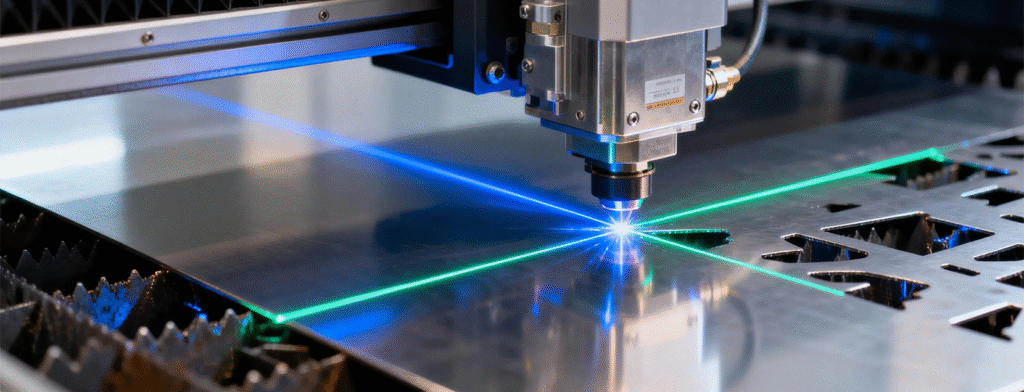
Fiber Laser Cutter vs CO2

Share:

Categories

More Posts

  1. Home
  2. »
  3. CNC Router
  4. »
  5. CNC lathe tool setting method