How to Overcome Dust and Edge Quality Pain Points with a Flexible Material Cutting Machine
Whenever I used to cut fiberglass insulation boards, mineral wool, or composite panels with a handheld angle grinder or a
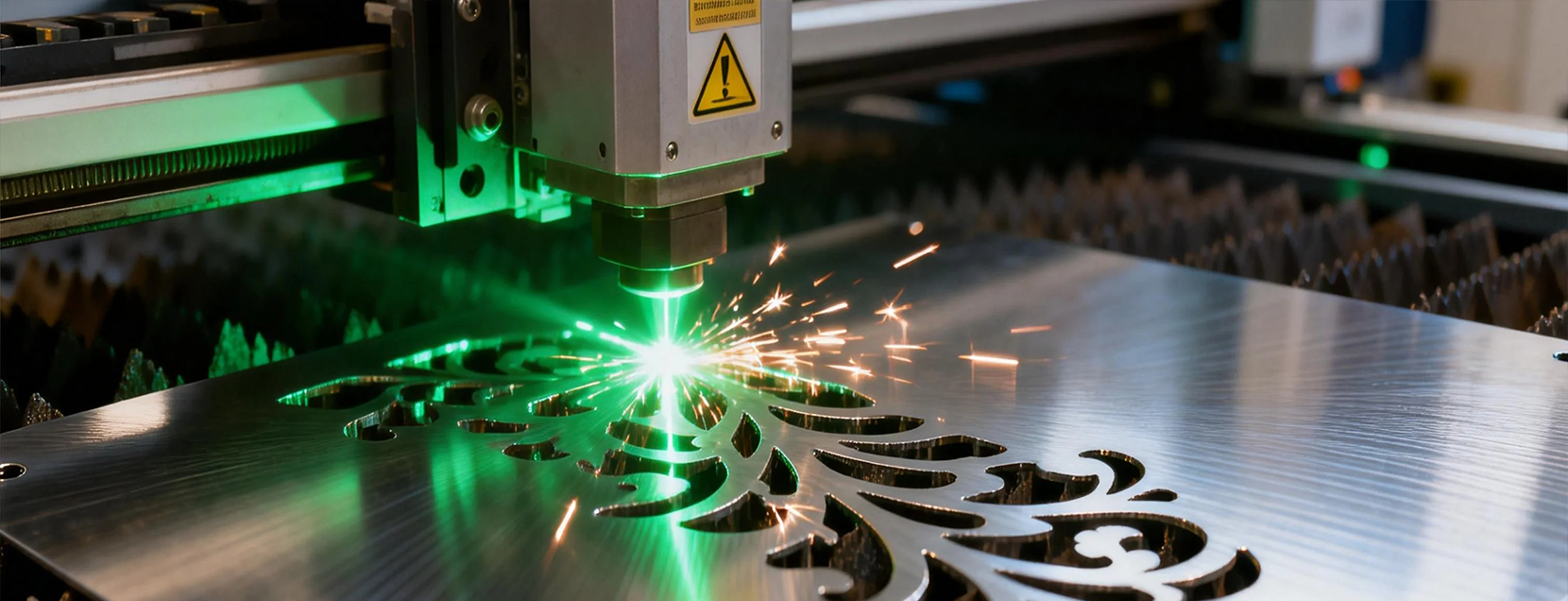
You’ve done your research. You’ve compared spec sheets and sticker prices for fiber laser cutters. The temptation to choose the machine with the lowest upfront cost is powerful. It feels like a smart business decision.
But in the world of industrial machinery, the purchase price is merely the entrance fee. The true cost of ownership is revealed over months and years of operation through downtime, repairs, consumables, and energy consumption. A cheap machine is often a Trojan horse, hiding massive laser cutter maintenance costs and operational inefficiencies that can erode your profits and stall your growth.
Let’s expose the five hidden laser cutter maintenance costs that manufacturers of low-quality machines don’t want you to calculate.
Laser Cutter Maintenance Cost Hidden Cost #1: The Energy Vampire
Not all laser sources are created equal. A low-quality 6KW laser source might have an electro-optic conversion efficiency of only 30%, meaning 70% of the electrical power drawn is wasted as heat. To produce its 6KW of cutting power, it might pull 20KW from your wall. A high-efficiency source like the REMEYA laser source can exceed 40% efficiency, pulling only 15KW for the same output.
Laser Cutter Maintenance Cost Hidden Cost #2: The Downtime Domino Effect
This is the silent profit killer. A machine that is unreliable or constantly needs adjustment creates a cascade of costs:
Cheap machines often use low-grade linear guides, stepper motors instead of servos, and under-sized cooling systems. These components wear quickly, lose precision, and fail. The REMEYA fiber laser cutter is built to minimize laser cutter maintenance cost through premium components: Inovance servo motors for reliability, SHAC square rail guides for long-term accuracy, and the S&A water chiller for preventing thermal shutdowns.
Laser Cutter Maintenance Cost Hidden Cost #3: Consumables That Consume Your Budget
This goes beyond assist gases. Think lenses, nozzles, and protective windows in the cutting head. A poorly aligned optical path or an unstable beam from a low-quality source can contaminate or damage lenses much faster. Cheap nozzles wear out quickly, affecting cut quality and gas flow, forcing you to replace them more often. The precision-engineered REMEYA laser cutting head and stable beam delivery ensure consumables last longer and perform consistently, reducing this recurring expense.
Laser Cutter Maintenance Cost Hidden Cost #4: The Scrap and Rework Tax
Inconsistent machines produce inconsistent parts. A weak mechanical structure (like a low-rigidity gantry) can vibrate at high speeds, causing imperfections. A manual or poor-quality height sensor leads to out-of-focus cuts. Every scrapped sheet of stainless steel or aluminum is a direct deduction from your bottom line. The time spent re-cutting or salvaging material is an indirect labor cost. The REMEYA system, with its rigid Aviation Aluminum Gantry and automatic cutting head, is designed for repeatable precision, virtually eliminating this “tax.”
Laser Cutter Maintenance Cost Hidden Cost #5: The Technology Obsolescence Trap
A cheap machine often comes with outdated, closed, or unsupported software. As file formats evolve or you need to integrate with new CAD/CAM systems, you may find yourself stuck. Future upgrades might be impossible or prohibitively expensive. The REMEYA Operating System is built on a modern, adaptable platform. We provide ongoing software support and updates, ensuring your machine remains a compatible and valuable asset for years, not just months.
The REMEYA Philosophy: Engineered for Total Cost of Ownership (TCO)
At REMEYA, we design our fiber laser cutters with the complete financial picture in mind. Our goal is to maximize your uptime and profitability over a 5-10 year period, not just to win a sale today.
When you evaluate a fiber laser cutter, ask not just “What does it cost?” but “What will it cost me to own?” Create a 5-year TCO model that includes projected energy use, maintenance part costs, and a realistic downtime percentage.
Choosing REMEYA is an investment in predictable, low laser cutter maintenance cost, relentless productivity, and long-term partnership. Don’t buy a liability disguised as a bargain.
Request our Total Cost of Ownership whitepaper and let us show you how a REMEYA fiber laser cutter pays for itself through reliability and performance.
Whenever I used to cut fiberglass insulation boards, mineral wool, or composite panels with a handheld angle grinder or a
As manufacturers strive for higher precision, faster production speeds, and lower labor costs, the leather processing industry is experiencing rapid
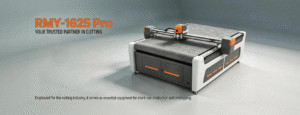
In my years of running a workshop that handles everything from carbon fiber sheets to multi‑layer automotive foams, I’ve learned
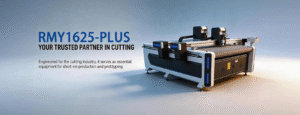
Many shop owners who invest in a high‑end CNC oscillating knife cutting machine(also called flexible material cutting machine) often face